
Welcome, fellow adventurers and underwater enthusiasts! If you’re seeking a dive destination that blends captivating history with exhilarating exploration, then Hurghada in 2026 should be at the very top of your list. Nestled on the sun-drenched shores of the Red Sea, Hurghada is renowned globally for its crystal-clear waters, vibrant coral reefs, and an incredible array of marine life. But for those who crave a journey into the past, an even more extraordinary experience awaits beneath the waves: the legendary Abu Nuhas Shipwreck Graveyard.
Known affectionately as the ‘Shipwreck Alley’ of the Red Sea, Abu Nuhas is a shallow, triangular reef notorious for claiming numerous vessels throughout history. Today, this underwater museum is a playground for divers, offering an unparalleled opportunity to explore not one, but four distinct and historically significant shipwrecks in one exceptional location. From the iconic Giannis D to the ancient Carnatic, the stories embedded within these submerged giants are just waiting to be uncovered. Let’s plunge into the depths and discover why the Abu Nuhas wrecks are a must-see for any serious diver planning their 2026 adventures.
Abu Nuhas: The Shipwreck Alley of the Red Sea
The name ‘Abu Nuhas’ itself translates to ‘Father of Bad Luck’ or ‘Copper Reef,’ a testament to its treacherous nature. Situated just off the northern coast of Shadwan Island, this reef has been a navigation hazard for centuries, particularly for ships traversing the Suez Canal route. The result is an extraordinary collection of four major wrecks, all resting within easy diving distance of each other: the Giannis D, the Carnatic, the Chrisoula K (also known as the Marcus), and the Seastar (often referred to as the Kim K). Each wreck offers a unique glimpse into a bygone era, providing a fascinating blend of human history and flourishing marine ecosystems.
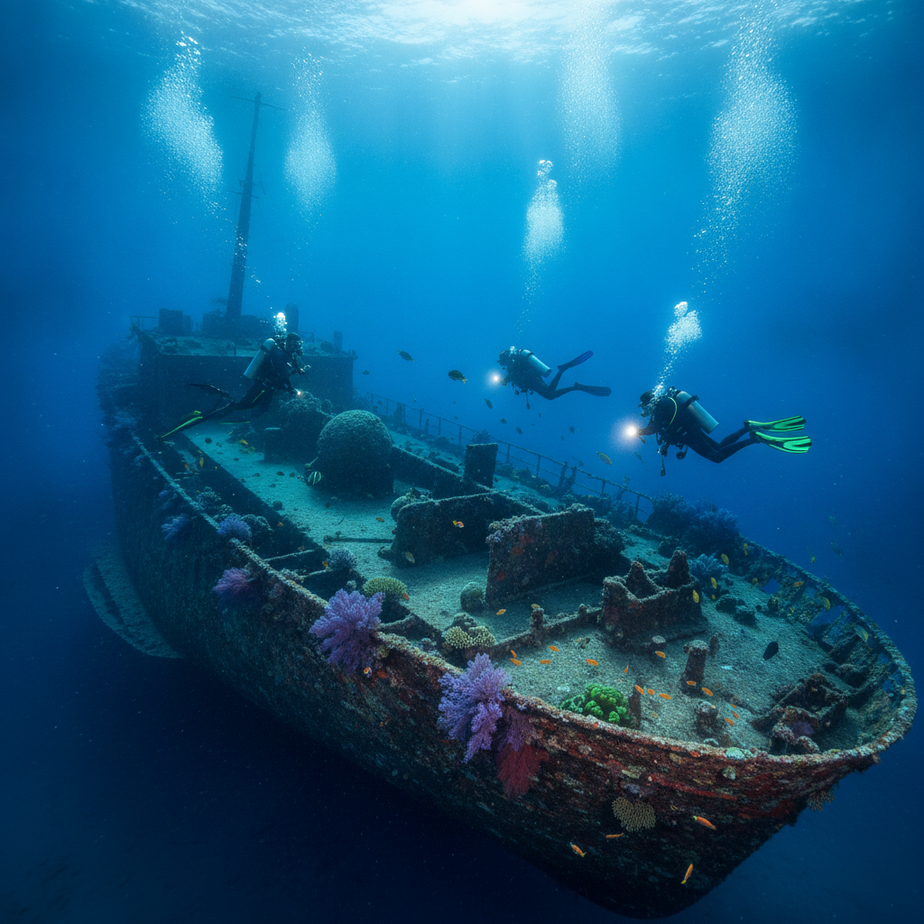
Imagine descending into the azure embrace of the Red Sea, only to be greeted by the colossal silhouette of a cargo ship, its structure now teeming with life. Schools of fish dart through cargo holds, soft corals paint rusty metal in a riot of colours, and moray eels peer from hidden crevices. The sheer density of easily accessible, well-preserved Abu Nuhas wrecks in one spot makes this site truly unique and highly sought after by divers of all experience levels. It’s an underwater history lesson and an ecological marvel rolled into one unforgettable experience.
The Iconic Giannis D Dive: Navigating a Submerged Masterpiece
Among the celebrated quartet of Abu Nuhas wrecks, the Giannis D stands out as a true superstar. Sunk in 1983, this Greek freighter, laden with timber, ran aground on the northern side of the reef. Today, she lies listing severely to port, broken into three main sections: the bow, mid-section, and stern. What makes the Giannis D dive so extraordinary is its incredible level of preservation and accessibility, even for advanced open water divers.
The stern section, with its intact bridge and engine room, is arguably the most captivating part. Divers can easily penetrate the engine room, marveling at the colossal machinery still in place, often beautifully backlit by natural light filtering through open hatches. The wheelhouse, crew quarters, and cargo holds are also ripe for exploration, offering a sense of navigating a ghostly ship. The Giannis D is blanketed in stunning hard and soft corals, attracting an abundance of marine life including lionfish, nudibranchs, groupers, and even occasional reef sharks. The experience of swimming through its corridors, feeling the history of the vessel, and witnessing the vibrant marine life that has reclaimed it, is truly awe-inspiring. For those with proper training, deeper penetrations offer even more to discover, making each Giannis D dive a unique adventure.
Beyond the Giannis D: Unveiling More of the Abu Nuhas Wrecks
While the Giannis D often steals the spotlight, the other Abu Nuhas wrecks offer equally compelling dives, each with its own distinct character and history:
- The Carnatic: Often called ‘the glass wreck’ or ‘the wine wreck,’ this British steamship sank in 1869, making it the oldest wreck on the reef. Carrying a cargo of wine bottles and gold, the Carnatic is a true historical treasure. Her wooden hull has largely disintegrated, but her ribs stand like skeletal fingers, creating beautiful archways draped in soft corals. The wreck is shallower and generally a fantastic dive for those interested in intricate coral formations and smaller marine life.
- The Chrisoula K (Marcus): Known as the ’tile wreck,’ this Greek freighter sank in 1981, carrying a cargo of floor tiles. She lies more upright than the Giannis D, offering expansive cargo holds filled with countless ceramic tiles. Divers can explore the superstructure, engine room, and vast holds, making it an excellent penetration dive. The abundant tile cargo creates a unique, almost surreal landscape underwater.
- The Seastar (Kim K): The smallest and often less-dived of the quartet, the Seastar is a tugboat that sank in 1985. Lying somewhat deeper and often presenting a bit more of a challenge due to currents, it’s a rewarding dive for those seeking to complete the full Abu Nuhas experience. Its smaller size allows for a more intimate exploration, revealing details often overlooked on larger wrecks.
Exploring all these wrecks provides a comprehensive journey through different eras of maritime history, showcasing varying degrees of preservation and marine colonization. Each dive site complements the others, painting a vivid picture of this unique underwater graveyard.
Deep Dives and Extended Bottom Times: Hurghada Technical Diving at Abu Nuhas
For the truly adventurous and experienced diver, Abu Nuhas offers incredible opportunities for Hurghada technical diving. While many parts of the wrecks are accessible to recreational divers, technical diving opens up deeper sections, allows for longer bottom times, and facilitates more extensive penetration into the wrecks’ interiors. Imagine exploring the deepest compartments of the Giannis D’s engine room, spending extended periods mapping the Carnatic’s structure, or meticulously navigating the most intricate sections of the Chrisoula K.
Hurghada technical diving at Abu Nuhas requires specialized training, equipment (such as twinsets, rebreathers, and decompression gases), and meticulous planning. Diving operators in Hurghada cater to tech divers, offering courses and guided trips with highly qualified instructors and divemasters who are intimately familiar with the wrecks’ layouts and potential hazards. These dives go beyond mere sightseeing, allowing for a profound engagement with these historical sites, pushing the boundaries of underwater exploration. If you’re looking to elevate your diving skills and experience the Abu Nuhas wrecks in their entirety, exploring the technical diving options in Hurghada is an absolute must for 2026.
Ready to Explore the Depths of History?
The Abu Nuhas Shipwreck Graveyard is more than just a collection of sunken vessels; it’s a vibrant, living museum, a testament to the power of the sea, and a sanctuary for incredible marine life. From the iconic Giannis D dive to the historical allure of the Carnatic, and the challenges for those pursuing Hurghada technical diving, this site offers something truly special for every underwater explorer. Hurghada in 2026 promises not just a vacation, but an expedition into the heart of maritime legend.
Don’t just dream about it – make it a reality. Prepare to be amazed by the sheer scale and beauty of the Abu Nuhas wrecks. Book your unforgettable Hurghada diving adventure with HurghadaTrips.com today and secure your spot on a journey that combines breathtaking natural beauty with captivating historical discovery. Your ultimate Red Sea wreck diving experience awaits!