
Unveiling the Magic of Hurghada’s Bedouin Market: Your Essential 2026 Guide
As the sun-kissed Red Sea coastline continues to captivate adventurers, Hurghada is rapidly cementing its reputation as a premier travel destination for 2026. Beyond its world-class diving and pristine beaches, this Egyptian gem offers a vibrant tapestry of culture and tradition waiting to be explored. One of the most enchanting experiences you can have is a journey into the heart of the desert to discover the iconic Bedouin market Egypt.
Imagine stepping back in time, away from the bustling resorts, into a realm where ancient traditions thrive and the spirit of the desert comes alive. This guide will take you through everything you need to know to make your visit to Hurghada’s Bedouin market an unforgettable highlight of your trip, offering a true taste of authentic Egyptian life and the chance to find unique traditional crafts Hurghada is famous for.
Discovering the Heart of the Desert: What is the Hurghada Bedouin Market?
Unlike the permanent, sprawling bazaars of Cairo or Luxor, the Bedouin market near Hurghada offers a distinct, often more intimate experience. It’s typically not a single, fixed location but rather a dynamic gathering point, often associated with desert safari camps or specific Bedouin villages nestled amidst the golden dunes. These markets serve as vital cultural and economic hubs for the local Bedouin communities, providing a space to trade goods, share stories, and preserve their ancestral way of life.
While you might be familiar with the concept of local souks, the Bedouin market presents a unique blend of nomadic heritage and desert charm. It’s an opportunity to interact directly with the Bedouin people, whose hospitality is as legendary as their resilience. Here, commerce isn’t just about transactions; it’s about cultural exchange, often accompanied by warm tea, storytelling, and a deep respect for tradition.
A Glimpse into Bedouin Life
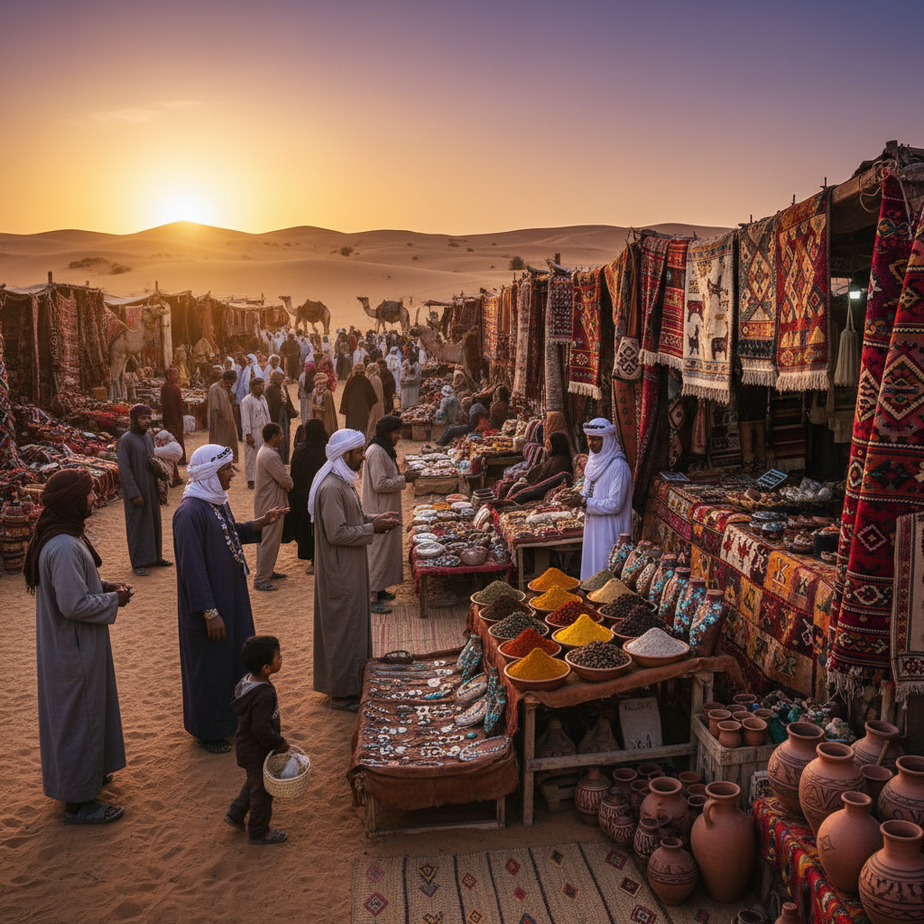
A visit to the market often begins with a thrilling desert adventure – perhaps a jeep safari or a camel ride – leading you to the Bedouin encampment. As you approach, the air fills with the earthy scent of spices, the sweet aroma of shisha, and the gentle murmur of conversation. The market itself is a kaleidoscope of colors and textures: vibrant textiles draped over makeshift stalls, glimmering silver jewelry catching the sunlight, and meticulously arranged spices creating aromatic pyramids. This immersive atmosphere is what truly sets the Bedouin market Egypt apart from any other shopping experience.
A Treasure Trove of Traditional Crafts: What to Buy
The allure of the Bedouin market lies in its authentic, handmade goods. These aren’t mass-produced souvenirs; they are items crafted with generations of skill and artistry, each telling a story of the desert and its people. Your visit here is your chance to acquire truly unique traditional crafts Hurghada locals take pride in.
Here’s a glimpse of the treasures you might find:
- Hand-Woven Textiles: Look for beautifully patterned carpets, rugs, and scarves made from camel or sheep wool. These often feature geometric designs and rich colors, reflecting Bedouin artistry. They make for stunning home décor or memorable wearable art.
- Silver Jewelry: Bedouin silversmiths create intricate pieces, often incorporating semi-precious stones or symbols of protection and fertility. Necklaces, bracelets, and earrings are common finds, each a testament to meticulous craftsmanship.
- Spices and Herbs: The desert is home to a wealth of aromatic plants. You’ll find an array of exotic spices, herbal remedies, and dried fruits. Don’t miss the chance to buy fresh dates, dried hibiscus (karkadeh), or potent desert teas.
- Leather Goods: From small purses and wallets to more elaborate bags, Bedouin leatherwork is known for its durability and unique designs.
- Hand-Blown Glassware: Sometimes, you’ll discover delicate hand-blown glass items, often small decorative bottles or perfume holders.
- Shisha Pipes and Accessories: For those interested in the cultural tradition of smoking shisha, you can find beautifully crafted pipes and a variety of flavored tobaccos (ma’assel).
- Local Perfumes and Oils: Experience the exotic scents of the region with locally made essential oils and traditional perfumes.
Savory Delights and Aromatic Wonders
Beyond tangible goods, the market offers a feast for the senses. Sample freshly baked Bedouin bread, often cooked on a flat metal griddle over an open fire, accompanied by fragrant mint tea. You might even encounter vendors selling unique desert honey or locally grown fruits, adding another layer of authenticity to your market exploration. These culinary experiences are as much a part of the market as the items themselves, deepening your understanding of Bedouin culture.
Navigating the Souk Like a Local: Tips for Your Visit
To truly enjoy your visit and make the most of your shopping experience at the Bedouin market Egypt, a little preparation goes a long way. This isn’t just about buying; it’s about respectful engagement and understanding local customs.
The Art of the Bargain
Haggling is an expected and enjoyable part of shopping in Egypt, especially in local souks and markets. It’s not about being aggressive, but rather a friendly negotiation. Start by offering around 50-60% of the initial asking price and work your way up. Always be polite, smile, and be prepared to walk away if you can’t agree on a price. Often, the vendor will call you back with a better offer. Remember, it’s a cultural dance, not a battle.
When to Visit & What to Wear
Most desert safaris that include a Bedouin market stop are scheduled for the late afternoon or evening. This is ideal as the desert temperatures are cooler, and the setting sun casts a magical glow over the landscape. Dress comfortably and respectfully, opting for light, loose clothing that covers your shoulders and knees. Closed-toe shoes are recommended due to the sandy terrain. Don’t forget a headscarf for women, both for sun protection and as a sign of respect in more traditional settings.
Cash is King (and Queen)
While some larger establishments in Hurghada accept cards, the Bedouin market is almost exclusively cash-based. Make sure to carry enough Egyptian Pounds (EGP) in smaller denominations. This will make haggling easier and transactions smoother. While some vendors might accept US dollars or Euros, you’ll generally get a better rate paying in local currency.
Embrace the Experience
Beyond the shopping, take time to simply observe and absorb. Engage with the vendors, ask questions about their crafts, and enjoy the hospitality. Many Bedouin camps will offer traditional tea (chai Bedouin) – accept it graciously, as it’s a sign of welcome. This cultural immersion is often more rewarding than any purchase you’ll make.
Embark on Your Bedouin Adventure in 2026!
A visit to the Bedouin market is more than just a shopping trip; it’s a journey into the soul of Egypt, an encounter with timeless traditions, and an opportunity to take home not just souvenirs, but stories. It’s an essential experience for anyone seeking to delve deeper into the rich cultural tapestry that Hurghada offers beyond its stunning beaches.
Ready to explore the Bedouin market Egypt and discover these unique traditional crafts Hurghada has to offer for yourself? Don’t just dream of desert nights and vibrant souks – live them! Book your unforgettable Hurghada adventure with HurghadaTrips.com today. We offer expertly curated tours that include authentic Bedouin experiences, ensuring you discover the best local souks and hidden gems this incredible region has to offer. Let us guide you to your next extraordinary Egyptian journey!